
Title: I Tried Selling AI Art Prints On Etsy For 30 Days
Channel: Jensen Tung
I Tried Selling AI Art Prints On Etsy For 30 Days by Jensen Tung
ai generated art selling, ai generated art sold, does ai generated art sell, selling ai generated art on etsy, selling ai generated art on etsy reddit, selling ai generated art as nft, selling ai generated art online, is selling ai generated art legal, can ai produce art, examples of ai art
AI Art That'll Blow Your Mind (And Sell Like Crazy!)
AI Art: The Future is Now (and it's Stunning!)
The art world is experiencing a seismic shift. It is witnessing an unprecedented revolution. Artificial intelligence is no longer a futuristic fantasy. Instead, it is a dynamic force reshaping creative landscapes. Art, as we knew it, is morphing. AI art is grabbing headlines and wallets. It is doing so with remarkable speed and audacity. Prepare yourself. The pieces created are not just pictures. They are portals into new ways of thinking. They are changing how we perceive art.
Unleashing the Creative Genie: How AI Art is Made
So, how does this magic happen? It goes beyond mere algorithms. It is a collaborative process. AI artists feed vast datasets of images into complex systems. These systems, trained on millions of existing artworks, begin to learn patterns. They understand styles, textures, and compositions. Initially, the AI may generate rough drafts. Consequently, the artist refines and steers it. This partnership creates unique and captivating results. The process is iterative. The artist is the conductor, and the AI is the orchestra. It is a dialogue between human creativity and machine intelligence.
The Money's Where the Art Is: Why AI Art is Selling
The market is responding. The demand for AI-generated art is skyrocketing. Numerous factors are fueling this trend. First, the novelty factor is attractive. It is a fresh aesthetic. Collectors seek the cutting edge. They want what is new and different. Furthermore, AI art often offers unique qualities. It produces images in styles never before possible. Secondly, the accessibility is appealing. AI tools make creating art easier than ever before. The barrier to entry is lower. Therefore, more artists are joining the fray. They are bringing fresh ideas to the table. Finally, the price can be a factor. This art can be more affordable than traditional works. That said, certain pieces are fetching impressive sums. Consider it a wise investment.
Beyond the Brush: Exploring the Diverse Styles of AI Art
The beauty of AI art is its versatility. It is not locked into a single style or genre. The possibilities are practically limitless. You'll find everything under the sun. Think photorealistic portraits and abstract landscapes. Envision surreal digital collages. AI can mimic established art movements. It can also forge radically new aesthetic directions. Consider these examples. Some systems excel at replicating classic painting styles. Others generate hyper-detailed fantasy art. This diversity ensures there is something for everyone to appreciate.
Ethical Considerations: Navigating the Waters of AI Art
With great power comes great responsibility, yes? The rise of AI art presents complex ethical questions. It requires careful consideration. One major concern is copyright. Who owns the rights to an AI-generated artwork? The artist, the AI developer, or the AI itself? The lines are often blurred. Another issue revolves around originality. Can AI art be truly original? Since it learns from existing data, is it derivative? Further discussion will be needed. We need transparency and clear guidelines. Otherwise, the art world will get confusing.
The Future is Fluid: What's Next for AI Art?
The future of AI art looks bright. It is continually evolving. Expect more sophisticated tools. Witness more advanced AI capabilities in the future. We'll see even more stunning creations. The relationship between humans and AI artists will become even more collaborative. We will experience the emergence of new art forms. AI will likely become deeply integrated into other creative fields. This includes design, music, and even literature. The possibilities are exciting. It is a future of innovation. So, buckle up. You're in for a wild, artistic ride.
Tips for Aspiring AI Artists: Get Started Today!
Ready to jump in? The good news is, it is easier than you think. You don't need to be a coding whiz. Several user-friendly AI art platforms are available. Explore these platforms, and see what you can make. Experiment with different prompts and settings. Play around with the tools. You will improve over time. Join online communities. Connect with other AI artists. Share your work and learn from each other. The creative community is welcoming. Remember: the only limit is your imagination. Don't be afraid to experiment. Have fun, and let your creativity flow.
Is This the SHOCKING Reason Your Cat Hates You?AI Art That'll Blow Your Mind (And Sell Like Crazy!)
Hey there, art lovers and tech enthusiasts! Ever felt like you’re living in a sci-fi movie? Well, buckle up, because we're diving headfirst into a world where robots are churning out masterpieces, and – get this – people are buying them! We're talking about AI art, folks, and it's not just blowing minds; it's starting to blow wallets open too. Prepare to be amazed. This is going to be fun, I promise.
1. The Dawn of the Digital Muse: How AI Art Came to Be
Remember when computers were just clunky boxes? Now, they're crafting paintings more intricate than anything I could dream up. It's incredible! AI art isn't just a flash in the pan; it's a full-blown revolution. The genesis of this digital art form lies in complex algorithms, vast datasets of existing art, and the sheer power of modern processing. Think of it as the computer getting a crash course in art history, then deciding to give it a go. First attempts? A bit meh. Now? Prepare to be wowed.
2. Unveiling the Titans: Key AI Art Generators You Need to Know
The landscape of AI art is populated by some serious players, each wielding its own unique strengths and quirks.
- Midjourney: This tool is known for its stunning photorealistic images and its ability to interpret complex prompts with impressive accuracy. It’s like having a seasoned artist whispering instructions into a super-powered digital canvas.
- DALL-E 2: Created by OpenAI, DALL-E 2 is famous for its creative and often surreal outputs. It can take the most absurd ideas and make them visually compelling. Think: "A cat wearing a spacesuit riding a unicorn on Mars"… and then bam! It's there.
- Stable Diffusion: An open-source platform, Stable Diffusion offers incredible flexibility and control. It's like having the keys to a massive art studio, letting you experiment with different styles and techniques.
3. Decoding the Prompt: The Secret Sauce of AI Art
Okay, so you've got your creative tool. Now what? The magic lies in the prompt. This is the text you feed into the algorithm, essentially telling the AI what to create. Think of it as writing a recipe for artistic creation. The more detailed and evocative your prompt, the better the result.
- Specific Details: Include style (e.g., "Van Gogh," "digital painting"), color palette, and even camera angles.
- Keywords: Sprinkle in relevant terms like "futuristic," "surreal," "hyperrealistic," etc.
- Experimentation: Don’t be afraid to try different approaches. Some of the best results come from happy accidents.
4. From Digital Canvas to Real-World Revenue: The Monetization Game
So, your AI-generated artwork is beautiful. Now what? Can you actually make money from it? Absolutely! The AI art market is booming. Here's how:
- Selling on Marketplaces: Platforms like Etsy, Redbubble, and Society6 allow you to sell prints, merchandise, and even digital downloads of your creations.
- NFTs (Non-Fungible Tokens): Mint your AI art as an NFT and sell it on marketplaces like OpenSea. This can unlock significant revenue, as well as a whole new universe of creators and buyers.
- Commissions: Offer custom AI art services to clients who want unique artwork for their websites, social media, or personal use.
5. The Stylescape: Exploring Artistic Techniques in AI Art
From the brushstrokes of a master to the vibrant hues of abstract expressionism, AI art can mimic (and sometimes even surpass) the styles of human artists.
- Photorealistic: Perfect for recreating lifelike images. Imagine hyperrealistic portraits or stunning landscapes conjured from a few clever words.
- Abstract: Unleash your inner Kandinsky. AI art can create breathtaking abstract pieces bursting with color and form.
- Surreal: The weird and wonderful. This style allows you to create dreamlike images that defy reality, pushing the boundaries of imagination.
- Pop Art: Think vibrant colors, bold lines, and iconic imagery. AI art can breathe new life into the world of pop art.
6. Rights and Wrongs: Navigating the Copyright Conundrum
This is a big one. The legal landscape surrounding AI art is still evolving. Who owns the copyright to an AI-generated image? The person who wrote the prompt? The AI developer? Currently, the waters are muddy, but the general consensus is leaning toward the prompt writer having some level of copyright, though this is evolving. You’ll have to do your research.
7. The Human Touch: Infusing Art with Personal Vision
While the AI does the heavy lifting, the human element is still crucial. Your vision, your creativity, and your prompt-writing skills are what truly set your art apart. Think of AI as a powerful tool to amplify your artistic voice.
8. Finding Your Niche: Standing Out in a Crowded Market
The AI art market is competitive. To succeed, you need to find your unique voice.
- Develop a Signature Style: Experiment with different styles and techniques until you discover what resonates with you and your audience.
- Focus on a Specific Theme: Are you passionate about fantasy art? Sci-fi landscapes? Find your niche and dominate it!
- Build a Brand: Create a consistent visual identity and connect with your audience on social media.
9. The Future of Art: Are Artists Obsolete?
Are human artists doomed? Absolutely not. AI art will certainly change the art world. It can assist, inspire, and even open up new creative avenues. Instead of artists being replaced, we're seeing a new era of collaboration – a symbiosis between human creativity and artificial intelligence.
10. Building Your Online Presence: Marketing Your AI Art
Get your art seen! Use social media platforms like Instagram and TikTok to showcase your work, interact with your audience, and build a following. Use relevant hashtags to get discovered. Collaborating with other artists creates a wonderful community.
11. Tools of the Trade: Other Useful AI Art Resources
Besides the major players, there are a ton of other helpful tools and resources out there:
- AI Image Upscalers: Enhance the resolution of your images.
- Color Palette Generators: Find the perfect color schemes.
- Prompt Engineering Guides: Learn how to write killer prompts.
12. Real-World Success Stories: AI Art That’s Selling Like Hotcakes!
There are so many incredible people making serious money with AI art. From selling prints to designing merchandise. The success stories are already rolling in, proving that this is more than just a trend. There is a lot of money to be made with AI art.
13. The Ethical Considerations: Navigating the Moral Minefield
There are ethical considerations we need to consider:
- Plagiarism: Make sure your art isn't too close to the work of other human artists.
- Bias: AI can sometimes perpetuate biases present in their training data.
- Transparency: Be transparent about the fact that your art is AI-generated.
14. Tips and Tricks: Level Up Your AI Art Game
Here's a few tips:
- Experiment: Always be trying something new.
- Learn From Others: Study the work of successful AI artists.
- Stay Up-to-Date: Keep learning and growing.
15. The Art of the Future: Embracing the Creative Revolution
AI art is a powerful tool that offers amazing possibilities for anyone. Don't be afraid to jump in, experiment, and explore. We're on the cusp of a creative revolution.
Alright, you amazing people! Let’s wrap this up.
We've explored the exciting, dazzling, and booming world of AI art, from the basics to the business side. You've got the tools, the inspiration, and the roadmap to explore:
- How to generate mind-blowing art.
- How to market your creations.
- How to turn your passion into profit.
The future of art is exciting, and you’re now ready to be a part of it. So, go forth, create, and blow some minds (and make some money!). Now, go make some art!
FAQs
Is AI art "real" art? Absolutely! AI art is a new form of creative expression, a collaboration between humans and machines. It is just a different type of art.
Do I need to be an artist to create AI art? No! The beauty of AI art is that it democratizes art creation. You can create beautiful art, even if you can’t “draw.”
How much does it cost to get started with AI art? Many AI art generators offer free and paid plans. You can start creating for free and then upgrade as you have more complex needs.
Can I sell AI art? Definitely! Many artists are successfully selling their AI-generated art on various platforms.
What are the biggest challenges in the AI art world? The copyright questions are the biggest challenge. There are also the ethical considerations, and the competitive
Top 5 Platforms Where To Sell AI Art NOW 2

By Raw & Real Still17 Top 5 Platforms Where To Sell AI Art NOW 2 by Raw & Real Still17
I Tried Selling Ai Art For 90 Days & Made ,

By Wholesale Ted I Tried Selling Ai Art For 90 Days & Made , by Wholesale Ted
I Tried Selling AI Art For 30 Days
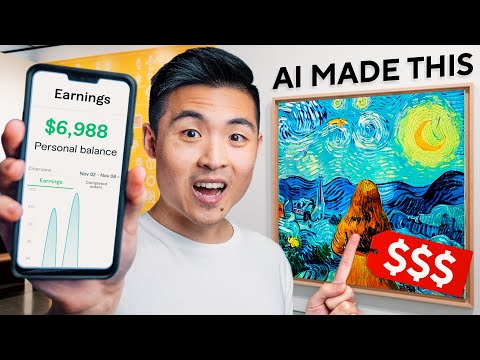
By Jensen Tung I Tried Selling AI Art For 30 Days by Jensen Tung

Title: 2 Months of Selling AI Art on Etsy Real Results
Channel: Real Money Time
2 Months of Selling AI Art on Etsy Real Results by Real Money Time
AI Tint & Car Audio: The Upgrade Your Ride DESERVES!
AI Art That'll Blow Your Mind (And Sell Like Crazy!)
We've entered an era where the boundaries of human creativity are being stretched, reshaped, and redefined. This isn't just about algorithms and digital artistry; it's about a paradigm shift in how we perceive and interact with visual expression. We are talking about AI-generated art, and the impact is nothing short of revolutionary. This isn't just about creating pretty pictures; it’s about the democratization of art production, enabling concepts previously locked away in the imaginations of artists, designers, and entrepreneurs, to be vividly realized.
The Dawn of the Digital Muse: Understanding AI Art
At its core, AI art harnesses the power of artificial intelligence to generate original visual content. This doesn't involve static pre-programmed images or simple alterations. Instead, it employs sophisticated machine learning models, specifically focusing on generative AI, to learn from vast datasets of existing art, styles, and visual elements. These algorithms, trained on millions, even billions, of images, possess the capacity to synthesize entirely new artworks, taking the raw materials of words and transforming them into something tangible and evocative. The process starts with a prompt - a detailed textual description that acts as the creative blueprint. This prompt is the key, the initial idea that fuels everything that follows. Through intricate processes involving diffusion, transformers, and other advanced techniques, the AI iteratively refines the image, building from noise and gradually converging on a visual representation of the prompt.
Unleashing the Power of the Prompt: Crafting Effective Textual Directives
The quality of your AI-generated art hinges on the precision and artistry of your prompts. Think of it like directing a film – every detail contributes to the final product. Begin by clearly defining your subject: What do you want the image to depict? Is it a fantastical creature, a cityscape bathed in neon light, or a portrait of a historical figure? The more specific you are, the better. Instead of simply writing "woman," try "a regal woman in a flowing silk gown, standing in a moonlit garden, holding a single red rose."
Next, inject the desired style. Do you want it to resemble a painting by Van Gogh, a hyper-realistic photograph, or a minimalist digital illustration? Keywords like "oil painting," "photorealistic," "cyberpunk," "watercolor," or "art deco" can guide the AI. Moreover, specify the lighting conditions, color palette, and compositional elements. Employ terms like "dramatic lighting," "vibrant colors," "wide-angle shot," "close-up," or "symmetrical composition."
Consider adding artistic descriptors: Are you aiming for a whimsical, dark, or serene atmosphere? Words like "surreal," "dreamlike," "gritty," "elegant," or "playful" will heavily influence the final aesthetic. Furthermore, specify the artist's style, the art movement, or the specific techniques to fine-tune the output. For example, "inspired by the works of Alphonse Mucha," "in the style of cubism," or "detailed with pointillism." The art of crafting the prompt is a fine art in itself, one that requires experimentation, refinement, and a deep understanding of visual language.
The Selling Proposition: AI Art as a Powerful Marketing Tool
Forget generic stock photos and overused visuals. AI art offers a vast and unique landscape of possibilities for your marketing and branding efforts. Imagine generating bespoke visuals that perfectly align with your brand's identity and message – imagery that will capture attention, spark curiosity, and resonate with your target audience.
Consider a fashion brand using AI to create stunning, otherworldly images for their latest collection. Or a tech startup that utilizes AI-generated concept art to visually communicate their innovative products. The versatility is endless. From social media campaigns and website graphics to product packaging and advertising materials, AI art can be used to elevate your visual communication strategy. Moreover, AI art allows for rapid iteration and experimentation, enabling you to test different concepts and visual styles quickly and cost-effectively. This agility provides a significant competitive advantage in today's fast-paced marketing environment.
From Pixel to Profit: Monetizing Your AI-Generated Masterpieces
The world of AI art provides abundant opportunities for generating income. You can sell your creations on various online platforms, including dedicated AI art marketplaces. Moreover, you can offer your services as an AI artist, creating custom visuals for clients across different industries.
Consider creating a portfolio showcasing your unique style and capabilities. Reach out to marketing agencies, businesses, and individuals interested in innovative visual content. Furthermore, you can turn your AI-generated art into physical products. Utilize print-on-demand services to create custom prints, canvases, posters, mugs, t-shirts, and other merchandise featuring your artwork. This model allows you to expand your reach and generate passive income without needing to handle inventory or fulfillment. Consider licensing your artwork to stock photo agencies or design platforms. Additionally, you can create and sell limited-edition prints or digital collectibles, turning your AI art into highly sought-after assets.
Navigating the Ethical Landscape: Ownership, Usage, and Attribution
As with any emerging technology, AI art raises important ethical considerations. One of the primary concerns is around ownership and copyright. While the AI generates the artwork, the question of who truly owns the rights often becomes complex. As the individual who crafted the prompts, is that enough to legally declare ownership? Or the person who ran the AI model? There are many legal perspectives here. Always research and understand the specific terms and conditions of the AI art platform you're using.
Usage rights are another critical factor. Always clarify how you can use the AI-generated images, whether for commercial or personal purposes. Furthermore, be mindful of the data the AI was trained on. Avoid generating images that violate copyright laws, infringe on trademarks, or depict sensitive or controversial content. When sharing your AI art, give credit to the AI model you used, particularly if the platform requests it. This transparency is essential for building trust and fostering a positive relationship with the AI art community.
The Future is Now: Staying Ahead of the Curve
The emergence of AI art is more than a fleeting trend; it signifies a fundamental shift in the creative process. This technology continues to evolve at an astonishing pace, with new models and features emerging regularly. Embrace constant learning, staying up-to-date with the latest advancements in AI art and experimenting with different tools and techniques.
By following the latest developments in the field, you can unlock even more possibilities and refine your artistic skills. Explore new prompting strategies, discover novel art styles, and leverage the power of AI to amplify your creative potential. The future of art is intertwined with artificial intelligence, and early adaptors will be at the forefront of this exciting movement, shaping the visual landscape of tomorrow. Therefore, stay curious, keep creating, and witness the extraordinary transformation of our artistic world.
